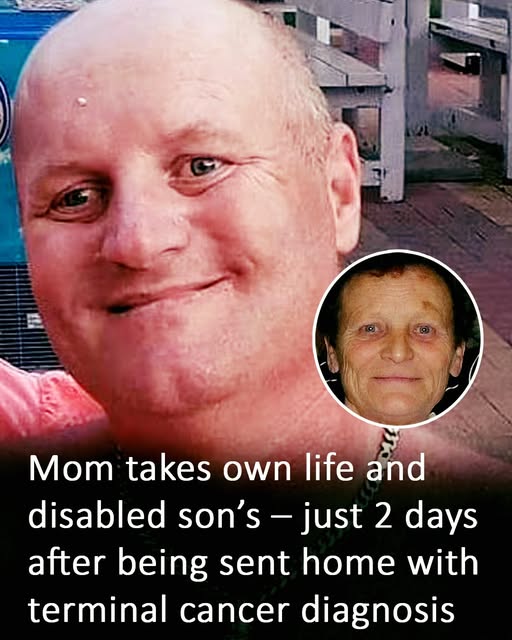
In 2021, 67-year-old Shirley Nunn and her 50-year-old son Steven were discovered dead in their home in Middlesbrough, England. A newly released investigation has shed light on the devastating circumstances behind their deaths — a tragedy experts say could have been avoided.
Shirley received life-altering news in October 2021: doctors diagnosed her with terminal cancer. Though the prognosis was grim, what appeared to trouble her even more was the fear of what would happen to her son once she was gone.
Shirley had been caring for Steven ever since a horrific accident at age 11 left him in a coma and caused significant brain damage. Despite multiple surgeries that saved his life, Steven never regained full independence. He was later diagnosed with cerebral palsy and epilepsy and faced lifelong challenges, including learning difficulties, mobility problems, and trouble regulating his emotions.
Following the death of her husband from cancer, Shirley became Steven’s sole caregiver, supported only in part by adult social services, which had been involved since 2005.
A devastating diagnosis
Shirley was diagnosed with stage three lung cancer in 2021. The illness quickly advanced, spreading to her brain, spine, and pelvis. Even as her health declined, she continued caring for Steven. Plans were made for Shirley to receive end-of-life care at home, but despite her determination, she struggled deeply. A Domestic Homicide Review found she had been suffering from depression and experiencing suicidal thoughts.
According to the report, Shirley was deeply distressed about the future of her son, whom she had devoted her life to caring for.
In October 2021, she was admitted to the hospital again due to complications from her cancer. Medical staff were informed she preferred to spend her final days at home under palliative care.
A tragedy on a painful anniversary
Just two days after she was discharged, police were called to her home by her sister. Both Shirley and Steven were found dead. The date fell exactly two years after her husband Paul had also died of cancer.
Investigators later concluded that several critical opportunities to support Shirley had been missed. Evidence revealed she was overwhelmed, emotionally fragile, and deeply vulnerable in the weeks preceding her death.
“She always put his needs first”
The review suggested that without adequate mental health support or a clear plan for Steven’s long-term care, Shirley may have felt trapped and hopeless about his future.
“The seriousness of her illness should have prompted early and urgent attention to her psychological and caregiving situation, but professionals failed to grasp the urgency,” the report stated.
“Shirley had loved and cared for her son throughout his life and consistently put his needs above her own. It can only be assumed she believed there was no viable option for Steven’s future care, leading to the deeply distressing decision that resulted in both of their deaths.”
This heartbreaking case forces us to confront difficult questions about the systems meant to protect vulnerable families.
How can we better support caregivers facing overwhelming emotional and physical burdens? Did Shirley feel she had no choice because the system failed her? What responsibility do we hold, as a society, to ensure people like Shirley never reach such a point of despair?
Share your thoughts — could proper intervention have prevented this tragedy, and what more can be done to protect families in crisis?