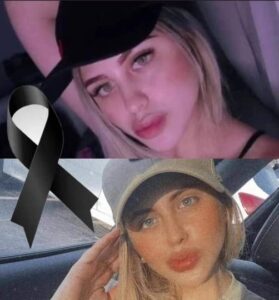
A 22-year-old woman has tragically lost her life following an elective cosmetic surgery procedure — a devastating event that has reignited global concern over the hidden dangers behind the pursuit of physical perfection.
What was meant to be a simple enhancement ended in unimaginable heartbreak, leaving her family, friends, and community shocked, grieving, and searching for answers.
Her sudden death has renewed difficult questions about medical oversight, societal beauty standards, and the psychological weight placed on young people in an age ruled by social media filters and flawless online personas.
The Procedure That Changed Everything
According to early reports, the young woman underwent a cosmetic procedure at a private clinic. Details are still under investigation, but complications reportedly occurred during or soon after surgery. Despite medical intervention, doctors were unable to save her.
Authorities are now investigating:
-
Whether the clinic followed proper safety protocols
-
Whether the medical staff were qualified
-
Whether negligence or preexisting health issues played a role
Her devastated family is demanding answers — emphasizing that no life should ever be lost for the sake of beauty.
A Growing Trend With Hidden Risks
Cosmetic surgery has exploded in popularity, with the global industry expected to exceed $100 billion by 2030. Once limited to celebrities, it is now heavily marketed to young adults through influencers, TikTok transformations, and online “glow-up” culture.
But experts warn: there is no such thing as a risk-free surgery.
Even “simple” procedures can lead to:
-
Infection
-
Internal bleeding
-
Organ damage
-
Dangerous reactions to anesthesia
-
Cardiac arrest
Many young patients, encouraged by polished ads and social media “results,” don’t fully understand the medical risks involved.
“Beauty comes with responsibility. Surgery is never just skin-deep,”
a medical specialist explained.
The Pressure to Look Perfect
Psychologists say social media has created impossible beauty standards — and many young people feel they must change themselves to be accepted.
The term “Snapchat dysmorphia” has been used to describe a growing phenomenon: people wanting to resemble their edited or filtered photos.
Family members of the victim say she struggled with self-esteem but was a vibrant, loving young woman.
“She was beautiful the way she was,” a relative said.
“We wish she had seen herself the way we saw her — perfect without surgery.”
Demand for Stricter Regulations
Her death has intensified calls for stronger oversight of cosmetic clinics, especially in regions where regulations remain lax or inconsistently enforced.
Advocates are urging lawmakers to:
-
Enforce strict surgeon licensing laws
-
Conduct regular clinic inspections
-
Require full disclosure of risks
-
Penalize malpractice more strongly
-
Launch public awareness campaigns
Without transparency and accountability, they warn, more young lives may be at risk.
Remembering Her Life, Not Just Her Death
Tributes have flooded social media as friends and loved ones share memories of her laughter, kindness, and dreams for the future.
Photos of her smiling — full of life — contrast painfully with the tragedy of her loss.
Her family released a statement urging others to think carefully before undergoing cosmetic procedures:
“Beauty fades, but life is precious. No surgery is worth losing everything for.”
Community members are organizing vigils and awareness campaigns in her honor.
Lessons Learned: Beauty Shouldn’t Be Deadly
This tragedy is a sobering reminder that even “routine” cosmetic procedures carry serious risks. Experts strongly advise anyone considering surgery to:
-
Thoroughly research clinics and surgeons
-
Verify certifications
-
Read patient reviews
-
Seek multiple medical opinions
-
Undergo a full medical evaluation
-
Avoid rushing into a decision
-
Be wary of pressure from social media
Confidence should come from self-acceptance — not from chasing impossible standards.
Final Thoughts
The death of a 22-year-old woman after cosmetic surgery is more than a personal tragedy — it is a cultural wake-up call.
In a world obsessed with perfection, her story forces us to confront a difficult truth: